
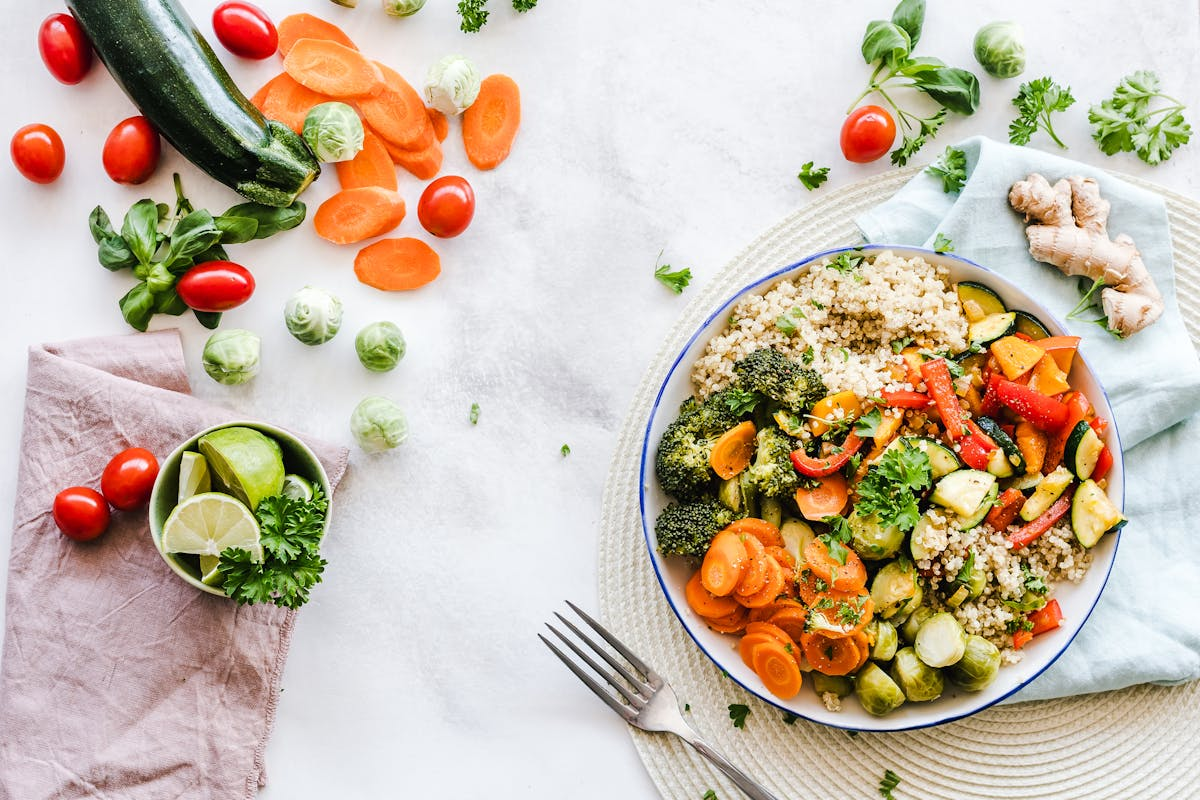
Between work, family, and the general pace of modern life, finding the time and energy to eat well every day can feel like a real challenge. That’s where meal prep for beginners comes in. With a little planning and a couple of hours on the weekend, you can set yourself up for a week of nutritious, home-cooked meals — without the daily stress of figuring out what’s for dinner. Whether you’re trying to eat more vegetables, reduce takeaway spending, or simply feel better, meal prepping is one of the most practical tools available to you.
What Is Meal Prep and Why Does It Work?
Meal prep — short for meal preparation — simply means preparing components of your meals (or entire meals) ahead of time, so they’re ready to eat or quickly assemble during the week. It’s not about cooking every single thing in advance or following a rigid diet plan. It’s about making healthy choices easier when you’re tired, rushed, or tempted to reach for something processed.
Research consistently shows that people who prepare their own food at home tend to eat more fruit and vegetables, consume fewer kilojoules, and have a healthier relationship with food overall. Meal prep takes that benefit further by removing the daily decision fatigue around what to eat.
Getting Started: What You Actually Need
You don’t need a chef’s kitchen or expensive gadgets to meal prep successfully. The basics are straightforward:
- A set of good containers. Glass or BPA-free plastic containers in a few sizes are ideal. Look for ones that stack neatly in the fridge and are safe for both the microwave and dishwasher.
- A sharp knife and a decent chopping board. Most meal prep involves a lot of chopping, so these are worth investing in.
- A large saucepan, a baking tray, and a frying pan. These three pieces of equipment can handle the vast majority of meal prep tasks.
- A simple weekly plan. Decide which meals you want to prep — breakfast, lunch, dinner, or snacks — before you shop. This keeps you focused and prevents food waste.
How to Plan Your First Meal Prep Session
Step 1: Choose Your Meals
Start simple. For your first session, aim to prep two or three different things rather than an entire week’s worth of elaborate meals. Good beginner options include a batch of cooked grains (rice, quinoa, or pearl barley), a protein source (roasted chicken thighs, boiled eggs, or a can of legumes), and a few roasted or raw vegetables. These building blocks can be combined into salads, grain bowls, wraps, or stir-fries throughout the week.
Breakfast is also a great place to start — something like overnight oats or a berry oatmeal power bowl can be made in batches and stored in the fridge for up to four days, making mornings significantly easier.
Step 2: Write a Focused Shopping List
Once you know what you’re making, write a shopping list that covers exactly what you need — nothing more, nothing less. Buying ingredients with multiple uses is key to keeping costs down. For example, a bag of spinach can go into a grain bowl at lunch, be wilted into pasta at dinner, and added to a breakfast smoothie.
When planning your meals, think about fibre too. A diet rich in fibre keeps you full longer and supports digestive health. If you’re looking to boost your intake, our guide to 10 easy ways to eat more fibre is a great complement to any meal prep routine.
Step 3: Set Aside Dedicated Time
Most people find Sunday afternoon works well, but any time that fits your schedule is fine. Block out one to two hours and treat it like an appointment. Put on a podcast, playlist, or show you enjoy — meal prep becomes much more pleasant when you pair it with something you look forward to.
Step 4: Cook Smart, Not Hard
The key to efficient meal prep is multitasking. While your grains are simmering on the stove, roast your vegetables in the oven. While the protein is cooking, chop your raw ingredients. Working multiple elements simultaneously cuts your total time significantly without adding stress.
Batch cooking one or two complete meals — like a big pot of soup, a lentil curry, or a vegetable frittata — means you have ready-to-go options for nights when you’re exhausted or short on time.
Food Safety and Storage Tips
Keeping prepped food safe is just as important as cooking it well. Follow these basic guidelines:
- Cool cooked food quickly before refrigerating — within two hours of cooking
- Most cooked meals and prepped ingredients last three to four days in the fridge
- Freeze anything you won’t eat within that window — soups, curries, and cooked grains freeze particularly well
- Label containers with the date so you always know what to use first
- Store raw and cooked foods separately to avoid cross-contamination
What to Watch Out For
One of the biggest pitfalls for beginners is prepping food that sounds healthy but is quietly loaded with added sugars — particularly in sauces, dressings, and flavoured yoghurts. Always check labels when buying pre-made components. Understanding the truth about sugar and how it hides in everyday foods is an important part of making meal prep genuinely nourishing rather than just convenient.
Another common mistake is over-prepping. If you make too much of the same thing, you’re likely to get bored and revert to takeaway by Wednesday. Variety is key — even small variations like swapping dressings, grains, or proteins from day to day keep meals interesting.
Building the Habit Over Time
Like any new routine, meal prep gets easier the more you do it. Your first session might feel slow and a little overwhelming — that’s completely normal. By the third or fourth week, you’ll have a rhythm, know your favourite go-to combinations, and have the process down to well under two hours.
Start with one session per week. Once that’s comfortable, you can add a mid-week refresh — a quick 20-minute top-up to replenish anything that’s run out. Many experienced meal preppers find this two-session approach gives them maximum flexibility without excessive effort.
Ready to Give Meal Prep a Go?
Meal prep for beginners doesn’t need to be complicated, expensive, or time-consuming. It’s simply about working smarter, not harder, when it comes to feeding yourself well. Start with one or two simple recipes this weekend, invest in a few good containers, and see how much calmer and more in control you feel come Monday morning.
For more practical, evidence-based nutrition advice, explore the Pure Nutrition blog — from fibre-boosting recipes to understanding what’s really in your food, we’re here to help you eat better, one week at a time.